Guide for expats · Updated November 2026
How to buy a used car in Costa Rica
Buying a car here is not hard once you know the steps: find it, check its papers, inspect it and sign the transfer with a notary. This guide walks you through each one, in plain English.
1. Find the car and talk to the seller
Browse the cars for sale and tap the green WhatsApp button to write to the seller directly. Listings are in Spanish, and many sellers speak some English; a short message works fine: "Hola, ¿todavía está disponible? ¿Lo puedo ver esta semana?" (Hi, is it still available? Can I see it this week?). Prices are usually in colones (₡); some sellers also show US dollars.
2. Check the car at the Registro Nacional
With the license plate, look the car up on the Registro Nacional website (a basic report costs a few dollars). Check that the seller is the registered owner and that there are no liens (gravámenes), seizures (embargos) or legal notes (anotaciones). Unpaid traffic fines stay with the car, so check those too.
3. Make sure the RTV and marchamo are up to date
The RTV is the mandatory technical inspection, done by DEKRA. The marchamo is the yearly circulation permit and it includes the mandatory liability insurance (SOA); it is paid every year before December 31, and you can't renew it without a valid RTV. Look up the plate on our marchamo page and ask the seller for both receipts.
4. Have a mechanic inspect it
Before paying, take the car to a mechanic you trust (or one recommended by other expats in your area). It usually costs far less than a surprise repair. Test drive it on hills and on the highway.
5. Sign the transfer with a notary
In Costa Rica every car sale is done with a notary public (a licensed attorney), who drafts the transfer deed (traspaso) and registers it at the Registro Nacional. Buyer and seller sign together; bring your passport (or DIMEX if you are a resident). Rules for tourists registering a car in their own name have changed over time, so confirm with the notary before you pay.
6. Pay safely
Pay on the day you sign, by bank transfer (SINPE) or a method that leaves a record — never cash in a parking lot, and never send a deposit for a car you haven't seen. Keep a copy of the signed deed until the new registration shows up under your name.
Common Spanish words you'll see in listings
- Único dueño — one owner
- Al día — up to date (papers, marchamo)
- Recibo carro — accepts a trade-in
- Negociable — price is negotiable
- Automático / Manual — transmission
- Gasolina / Diésel / Híbrido — fuel
- Mantenimiento de agencia — dealer-serviced
- Sin choques — no accidents
Cars for sale right now
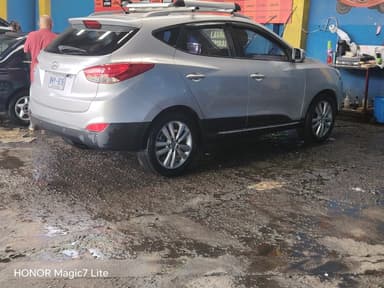
Hyundai Tucson 2011
₡5,850,000
San José
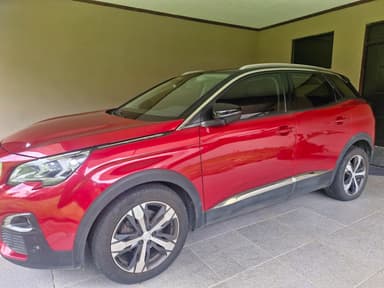
Peugeot 3008 2019
₡6,900,000
Heredia
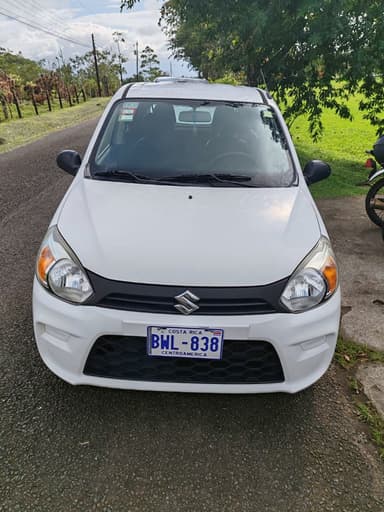
Suzuki Alto 2022
₡4,000,000
Alajuela
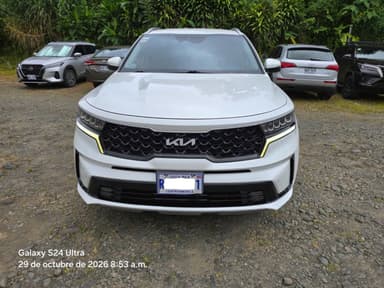
Kia Sorento 2023
₡17,500,000
Alajuela
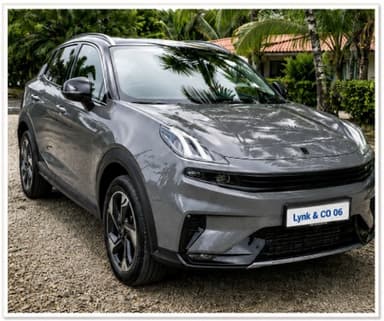
Lynk & Co 06 2025
$26,500
Guanacaste
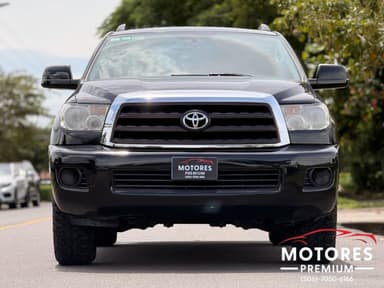
Toyota Sequoia 2011
₡11,500,000
San José
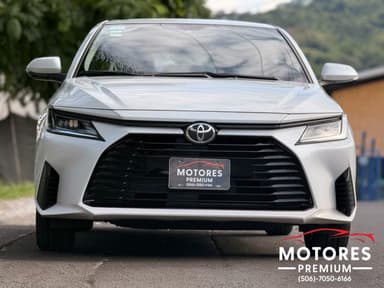
Toyota Yaris E 2026
₡11,500,000
San José

Suzuki Vitara 2020
₡7,500,000
Cartago
Frequently asked questions
Can a foreigner buy a car in Costa Rica?
Yes. Residents buy with their DIMEX. Tourists can usually buy with their passport, but the rules for registering a car in a tourist's own name have varied, so confirm with the notary before paying.
How much does the transfer cost?
Transfer taxes, registry stamps and notary fees together are commonly around 4–6% of the car's fiscal value (the government's assessed value, not always the price you pay). Ask the notary for an exact quote before signing.
Can I drive with my foreign license?
Tourists can drive with a valid foreign license while their tourist stay is valid. Residents need a Costa Rican license, which many can get by validating their foreign one.
What are the marchamo and the RTV?
The marchamo is the yearly circulation permit (it includes the mandatory SOA insurance) and the RTV is the technical inspection done by DEKRA. A car needs both to drive legally.
Is AutoMarketCR a dealer?
No. We are a free marketplace: private sellers and dealers list their cars and you contact them directly. We review listings before they go live, but always inspect the car and check it at the Registro Nacional.
Selling your car before you leave Costa Rica?
Listing on AutoMarketCR is free and buyers message you directly on WhatsApp. Sell your car (the form is in Spanish, but it only takes a few minutes — or message us and we'll help you).
This guide is general information, not legal advice. Fees and rules change; confirm the details with a Costa Rican notary before buying.